












The EU Plans A Trillion-level Grid Energy Storage Upgrade
Sep 25, 2025
Leave a message

The EU plans a trillion-level grid energy storage upgrade, with a target of 1,200 GW by 2030 and an 80% cost reduction as the core mechanism.
Europe is at a critical juncture in its energy transition. With the accelerated deployment of renewable energy, the need for grid-scale energy storage is becoming increasingly urgent. Utility-scale battery energy storage systems (BESS) are a cornerstone of this transition, aiming to address the intermittency of wind and solar power and ensure grid stability. The European utility-scale BESS market is expected to grow by 36% by 2025, making now the right time to cultivate a leading energy infrastructure sector.
The EU is preparing a package of grid expansion measures aimed at achieving rapid permitting and smart grids to cope with fluctuations. The instability caused by high renewable energy penetration makes grid digitalization crucial, but network operators face resistance, access conflicts, and capacity shortages, necessitating adjustments to the regulatory framework. During periods of abundant wind and solar resources, photovoltaic and wind farms often require power rationing to prevent voltage instability, resulting in billions of euros in losses. During periods of low wind and darkness, however, reliance on fossil fuel power plants threatens climate goals. To address this, Greece is building large-scale pumped hydroelectric power plants to convert excess energy, while declining battery costs are accelerating BESS installation. EU electricity consumption could grow by 60% by 2030, requiring investments of €500 billion in transmission networks and €700 billion in distribution networks by 2040.
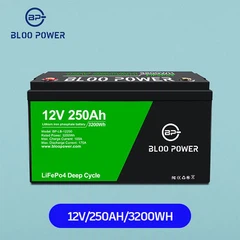
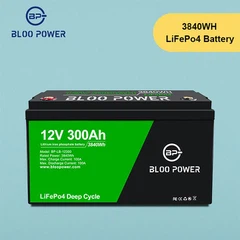
Despite Europe's leading renewable energy sector, energy storage systems capacity remains severely insufficient: utility-scale BESS reached 8.8 GWh in 2024, doubling from 2023, but accounting for a small proportion of renewable energy capacity. Under a best-case scenario, annual installations could surge to 183 GWh by 2029, with utility-scale installations accounting for 69% of the market. Germany, Italy, and the UK are leaders, but still face a gap between renewable energy production and storage. Catalysts include renewable energy integration (wind and solar power now account for over 40% of the power mix), falling battery costs (lithium-ion prices have fallen from $1,400/kWh in 2010 to below $140/kWh in 2023), and policy consensus (European Green Deal (Europa), Fit for 55, and the 2025 EU Battery Regulation). EU policies in 2025 strengthened the BESS market. The European Energy Storage Database, launched at the beginning of the year, tracks over 66 GW of operational and planned projects, led by Germany, the UK, and Spain. Zero Emissions Industry and Critical Raw Materials regulations are further accelerating development, optimizing battery licensing and securing the lithium and cobalt supply chain. Lithium iron phosphate (LFP) batteries account for 80% of new installations due to their low cost, long lifespan, and safety advantages. The EU's 2030 target of 1,200 GW of utility-scale energy storage relies on these trends.
The industry is being reshaped by innovative projects: AES Corporation is developing a grid stabilization system through Fluence and ENGIE; Canadian Solar is integrating energy storage into utility-scale photovoltaic projects; Siemens AG is launching SIESTORAGE NEO for load management and peak shaving; ABB's BESS-as-a-Service model reduces initial costs; and it is collaborating with HESStec to develop a hybrid energy storage system (HESS) that combines battery and ultracapacitor technologies. Sumitomo Electric Industries is launching a vanadium redox flow battery (VRFB) suitable for long-duration energy storage in areas with high renewable energy penetration.
Send Inquiry