












What Does BESS Stand For Energy Storage in France?
May 29, 2026
Leave a message

Surge in French Solar Power Leads to Frequent Negative Prices in April, Nearing -€500/MWh Floor
The French electricity market has recently witnessed a phenomenon of negative electricity prices. Driven by rising solar power generation and reduced flexibility in nuclear power output, prices on most trading days in April hovered near the regulatory floor. Data from Storio Energy's price monitoring service indicates that 90% of day-ahead market trading days during the month recorded zero or negative prices; on April 26 at 2:00 PM, prices plummeted to -€479/MWh, edging close to the market floor price.
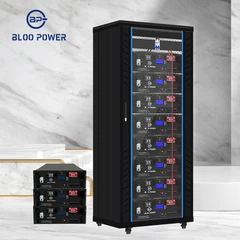
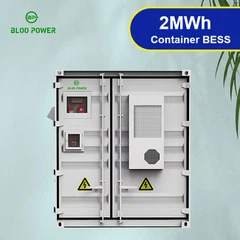
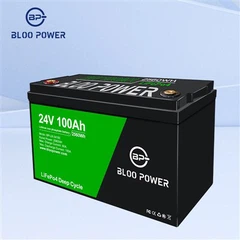
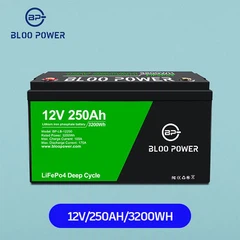
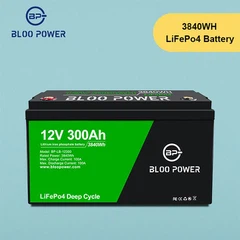
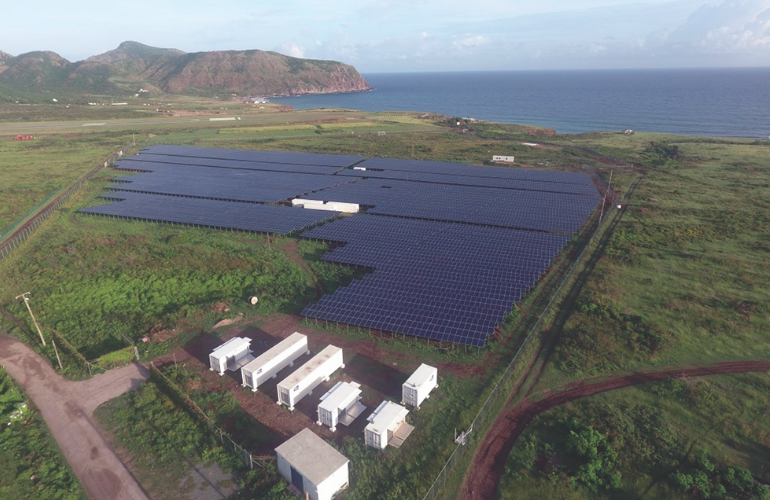
In response to these extreme market conditions, BESS battery energy storage systems and utility scale battery energy storage systems are gaining significant traction as effective solutions for balancing supply and demand. These systems, often powered by high-performance rechargeable lithium batteries, allow operators to store surplus solar energy during periods of negative pricing and discharge it during peak hours.
The range of price fluctuations has continued to widen-expanding by 15% compared to the same period in 2025-while the average electricity price has declined by 26%. Analysts point out that, of the approximately 6 GW of new solar capacity added in 2025, a significant portion consists of power plants benefiting from feed-in tariffs; these facilities continue to inject electricity into the grid even during periods of negative pricing.
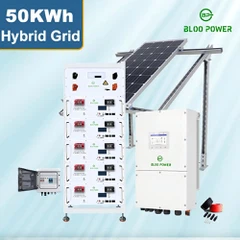
Home battery energy storage system solutions are also seeing increased adoption among households seeking to capitalize on negative pricing by storing cheap (or even free) electricity for later use. Leading the way in this space is BLOO POWER, whose advanced systems are helping both residential and commercial users optimize energy costs. Although available nuclear capacity increased from roughly 24 GW in 2025 to 28 GW in 2026, its operational flexibility remains limited; consequently, the state-owned utility EDF has been auctioning off its nuclear output in the day-ahead market "at any price."
As of early May 2026, the market had already recorded over 200 hours of zero or negative pricing. In early May, prices hit a new low of -€498/MWh, coming perilously close to the day-ahead market's regulatory floor of -€500/MWh. On March 27, the Energy Regulatory Commission approved an agreement between grid operator RTE and EDF to establish minimum output levels for nuclear power plants, thereby ensuring grid stability. Meanwhile, geopolitical tensions in the Middle East have driven up natural gas prices in Europe; during morning and evening peak demand periods, the marginal cost of electricity from gas-fired power plants averaged €111/MWh. This resulted in an overall average electricity price of approximately €40/MWh, yet the intraday price spread reached €143/MWh-roughly 3.5 times the average price.
The growing deployment of BESS battery energy storage systems is expected to play a crucial role in mitigating these volatility challenges moving forward.

About Energy Storage Solutions
Efficient energy storage makes energy management smarter and electricity costs more controllable. Looking to create a customized energy storage solution for your project or home? Contact us to unlock a new era of smart energy.
Send Inquiry