




















What Is The Status Of Energy Storage Development in Brazil?
Jun 11, 2026
Leave a message

Brazil's Energy Storage Sector Develops Slowly; Capacity Expected to Reach 1 GW by 2026
Global battery energy storage technology has reached maturity, with its installed capacity now surpassing that of pumped-storage hydropower. While global new energy storage capacity is projected to reach approximately 300 GW by 2026, Brazil is expected to barely cross the 1 GW threshold.
Despite the advantages, stakeholders are also carefully evaluating the disadvantages of battery energy storage systems, such as high initial capital costs, degradation over time, and the need for proper recycling infrastructure. The Brazilian Association of Energy Storage Solutions (Absae) recently hosted a webinar to discuss the role of energy storage in modernizing the power system; concurrently, Brazil is preparing to hold dedicated auctions for energy storage and is deliberating on planned contracts for 16.5 GW of thermal power capacity.
Fábio Lima, Executive Director of Absae, emphasized that grid planning requires balancing security, cost, renewability, and flexibility-areas where battery energy storage systems serve as a crucial solution. He noted that energy storage enables the time-shifting of renewable energy generation to peak demand periods, thereby deferring grid infrastructure investments and facilitating the integration of new electrical loads.
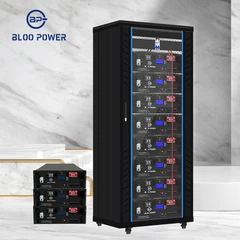
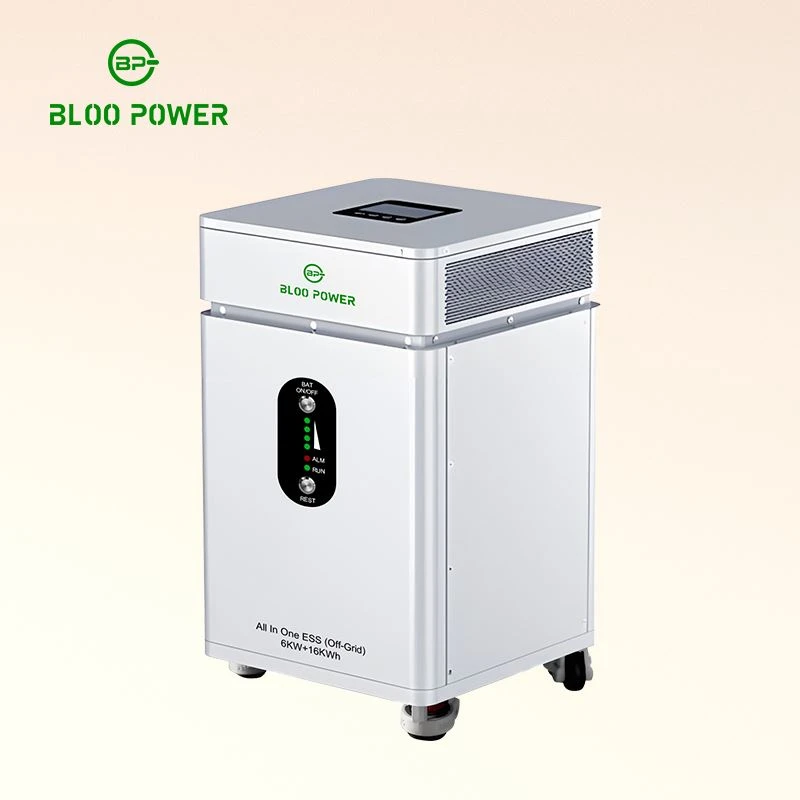
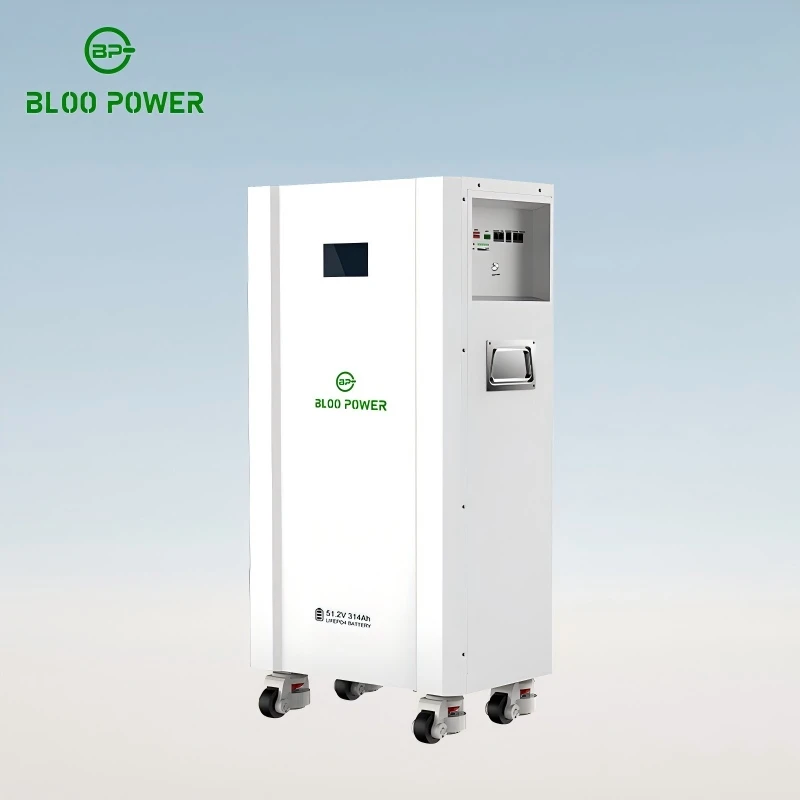
Leading companies in the sector, including reliable battery energy storage system BESS supplier options like BLOO POWER, are actively supporting projects across Latin America by providing high-quality solutions and local expertise. Markus Vlasits, President of Absae, stated that despite growth in the residential storage sector, a capacity of 1 GW remains far below Brazil's true potential; realizing this potential requires clear price signals, dedicated contracts, and the establishment of a comprehensive regulatory framework that includes battery energy storage system certification standards to ensure safety and performance.


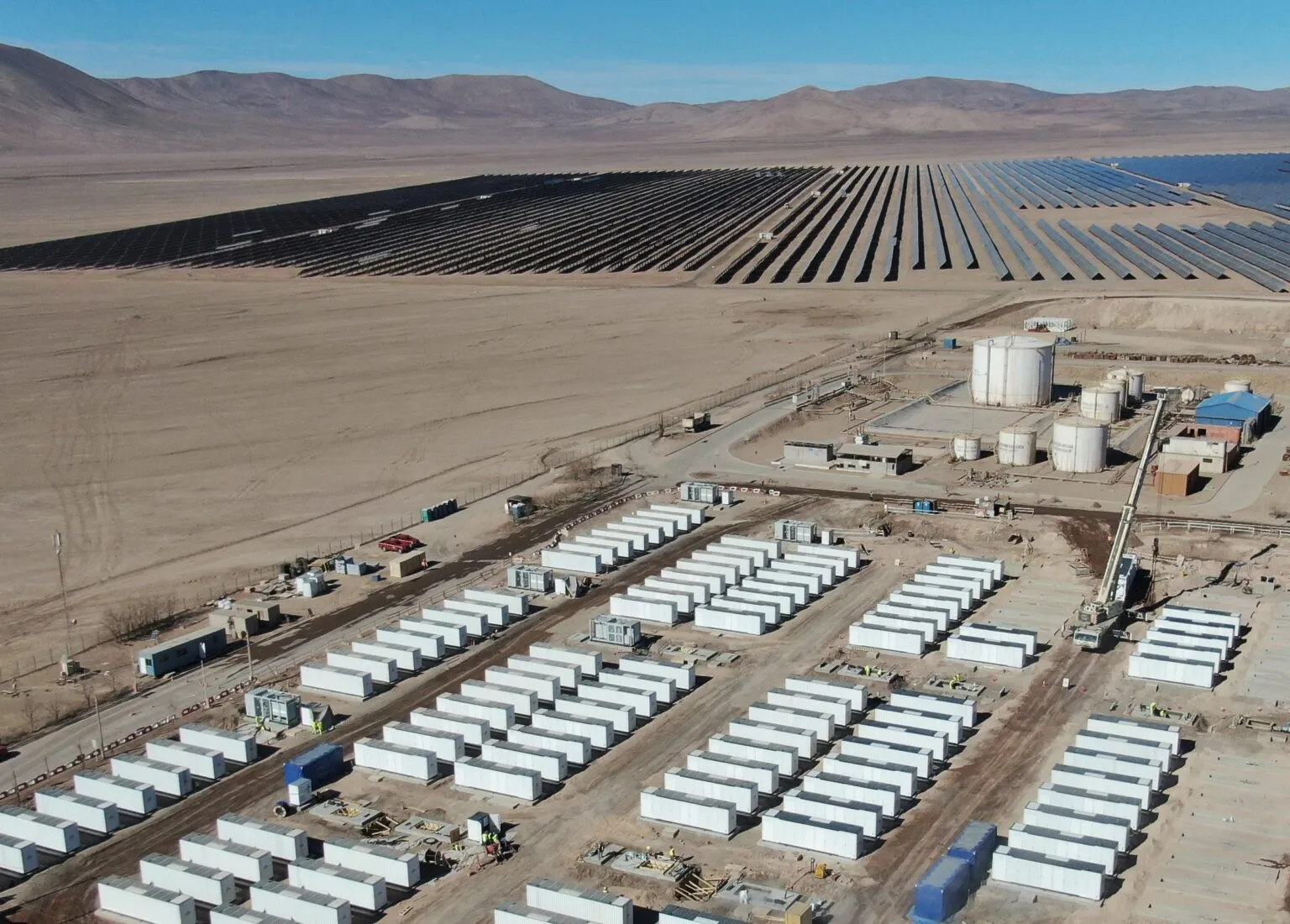
In Chile, Atlas Renewable Energy operates a 200 MW / 800 MWh energy storage system paired with a 244 MW photovoltaic power plant. This system has demonstrated an availability rate exceeding 98% when called upon by Chile's grid operator, effectively mitigating electricity price volatility and reducing instances of power curtailment.
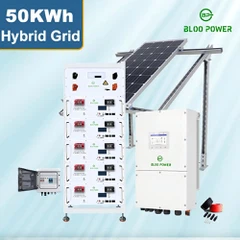
To better understand system integration, engineers often refer to a standard battery energy storage system diagram that illustrates key components such as inverters, battery modules, and grid connection interfaces. Brazil's National Electric System Operator (ONS) has already established technical requirements for energy storage systems to provide "virtual inertia" to the grid. Roberto Valer, CTO at Huawei, pointed out that grid-forming energy storage systems can operate either independently or while connected to the grid, offering critical capabilities such as "black start" functionality and inertial support. Furthermore, a storage project deployed by ISA Energia Brasil at the Registro substation has successfully replaced diesel-based generation, thereby preventing power curtailments along the coast of São Paulo during the summer peak demand season. Brazil's Energy Research Office (EPE) has identified energy storage as the optimal solution for expanding infrastructure in remote regions and plans to tender for a 100 MW / 200 MWh grid-forming storage system during the 2027 energy auction.

About Energy Storage Solutions
Efficient energy storage makes energy management smarter and electricity costs more controllable. Looking to create a customized energy storage solution for your project or home? Contact us to unlock a new era of smart energy.
Send Inquiry