




















What Will Happen To Renewable Energy Storage in Serbia in The Next 6 Years?
Jun 08, 2026
Leave a message

Serbian Grid to Integrate 12 GW of Renewable Energy Over Next Six Years
Jelena Matejić, General Manager of Serbia's national electricity transmission company, EMS, stated at the 2026 Belgrade Energy Forum that the country's power grid needs to integrate 12 gigawatts (GW) of renewable energy within the next six years. Over the past decade, EMS has invested €620 million-with investments made in the last three years alone accounting for more than 45% of that ten-year total. Last year, the company achieved a record investment of €135 million, completing 95% of its planned targets. An additional €740 million in new investments is planned through 2028, bringing the total projected investment to €1 billion by 2030.
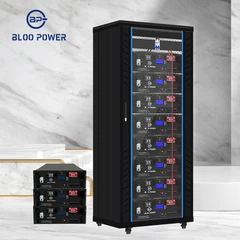
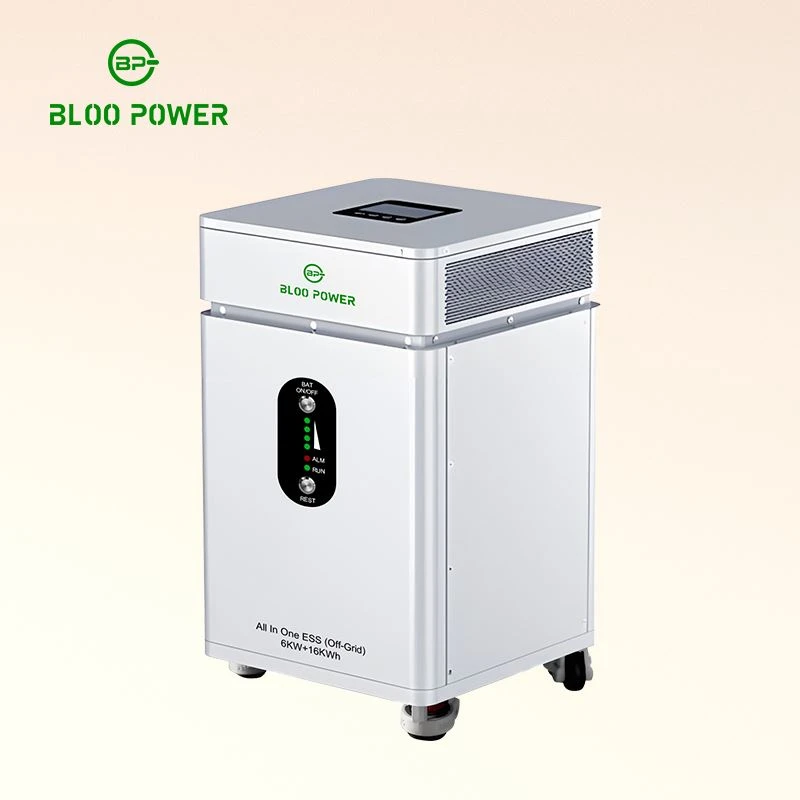
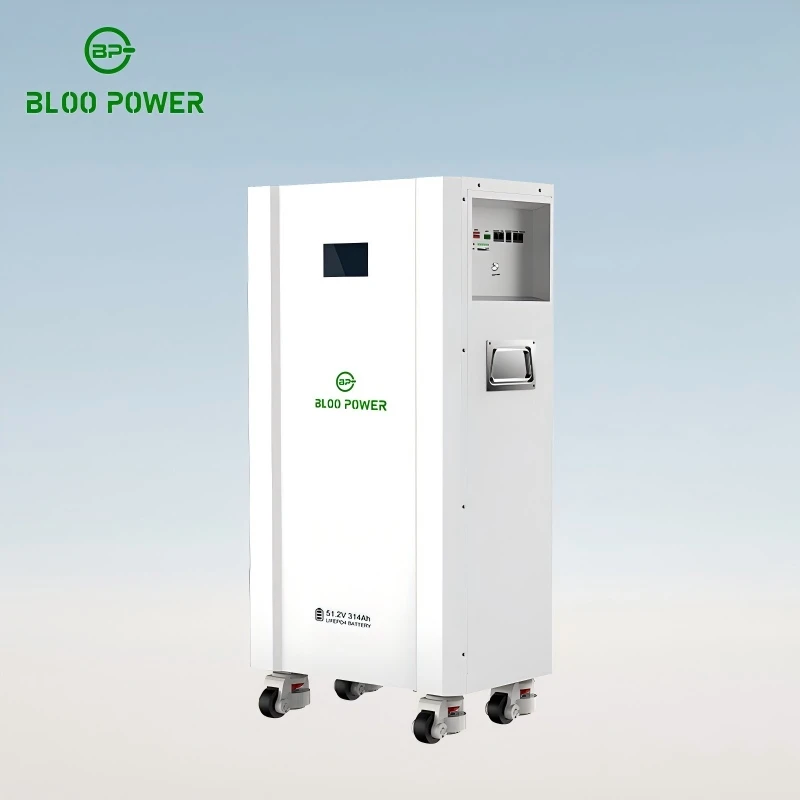
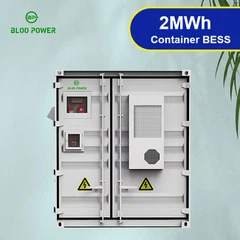
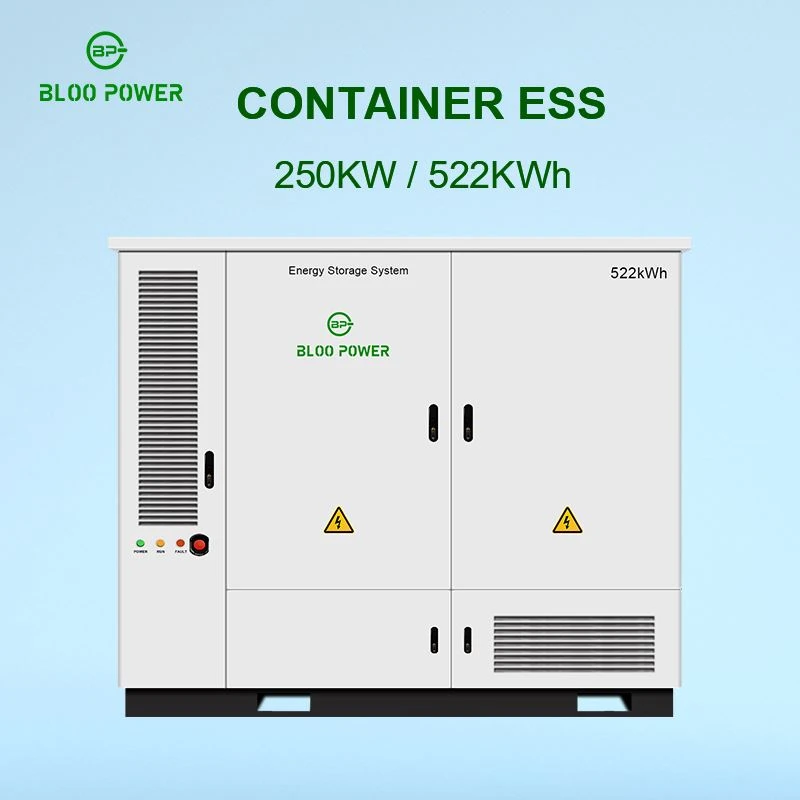
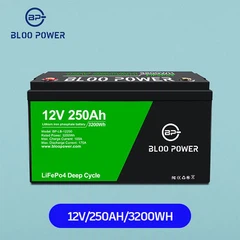
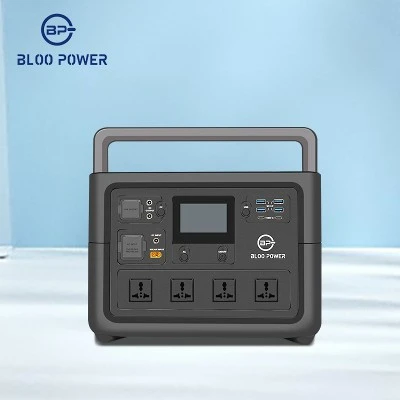
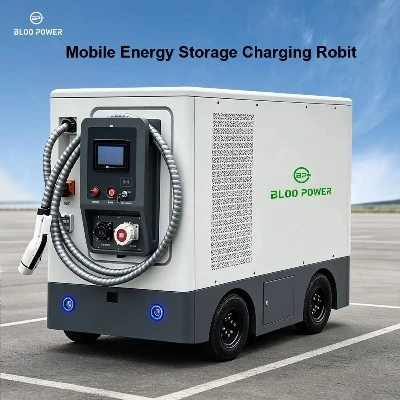
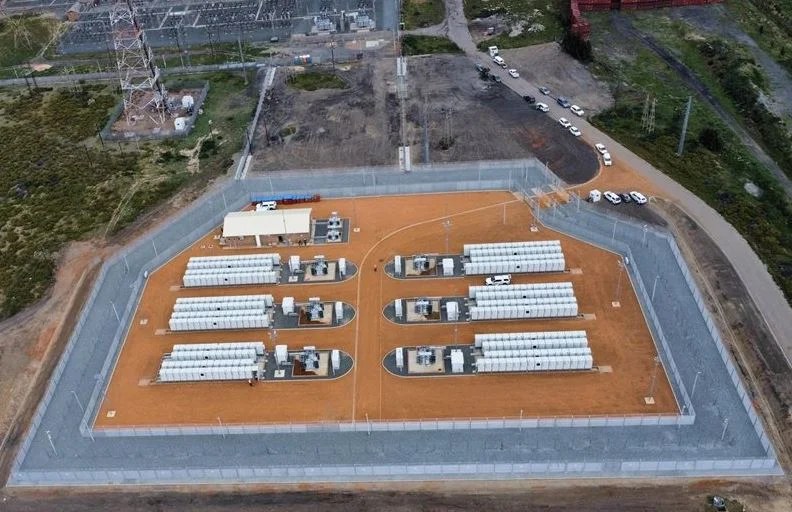
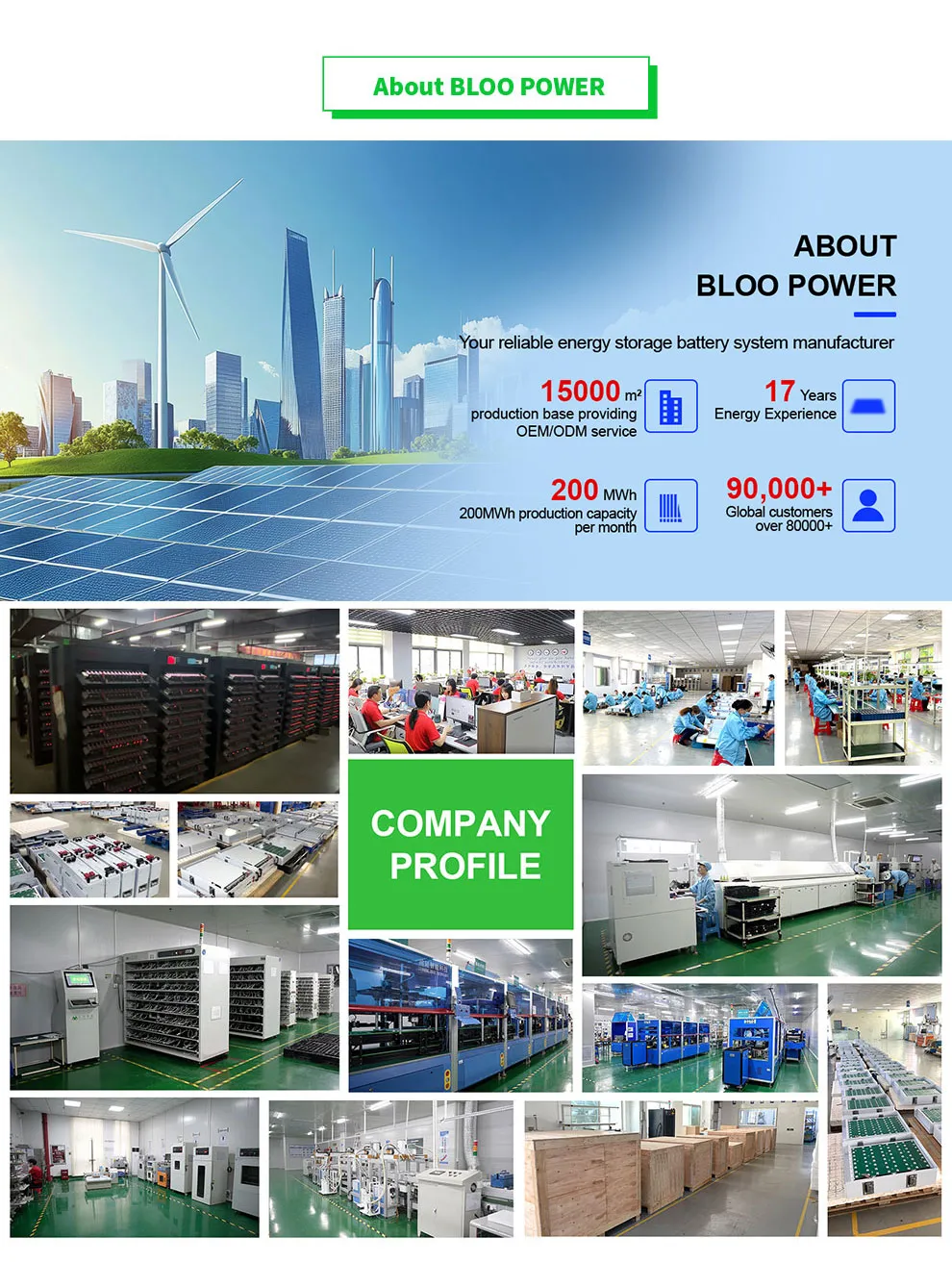
To support this massive renewable integration, deployment of home BESS systems and larger-scale BESS energy storage system solutions will be essential for grid stability. Many projects are already considering lithium ion phosphate battery technology due to its safety, longevity, and cost-effectiveness. Industry players such as BLOO POWER are actively providing competitive battery energy storage system container price options that make large-scale deployment more accessible for utilities and developers alike.
EMS's strategic plan encompasses four pan-European projects, the largest components of which are expected to be completed by 2030. Among these, Phase 3 of the Trans-Balkan Corridor is currently under construction, while Phase 4 is scheduled to become operational in 2029. The BeoGrid project is currently in the implementation phase, with a target completion date of 2029. Construction of the Ugrinovci substation is in full swing, alongside efforts to strengthen interconnection with Romania. The Pannonia Corridor-connecting toward Hungary-involves an investment of €105 million, while the Central Balkan Corridor connects to Bulgaria and Bajina Bašta, a project that includes the construction of two new substations. Through the implementation of these projects, interconnection capacity is set to increase by 50% by 2030, reaching a total of 6,000 megawatts (MW).
Matejić emphasized that the National Dispatch Center underwent a comprehensive overhaul last year, resulting in the modernization and digitalization of the transmission system-including the deployment of smart meters, remote control capabilities, and digital substations. These investments ensure that the power grid is fully prepared to accommodate the nearly 12 GW of renewable energy scheduled for integration over the next six years-the majority of which is expected to be connected within the coming four years.

About Energy Storage Solutions
Efficient energy storage makes energy management smarter and electricity costs more controllable. Looking to create a customized energy storage solution for your project or home? Contact us to unlock a new era of smart energy.
Send Inquiry