




















French Setting 2.8 GW Capacity Limit For Energy Storage Projects Connected To The Grid
Jan 23, 2026
Leave a message
French Energy Regulatory Commission Releases Smart Grid Report, Setting 2.8 GW Capacity Limit for Energy Storage Projects Connected to the Grid
The French Energy Regulatory Commission (CRE) clearly stated in its 2025 smart grid report that achieving France's energy transition goals requires greater reliance on flexibility solutions-including advanced energy storage systems-from the early stages of renewable energy project design. In this context, understanding key technical parameters such as lithium ion battery charging voltage and 48v lithium battery full charge voltage is essential for system integration. Projects that can accept limitations, provide local flexibility, and are controllable down to the low-voltage level will gain a competitive advantage when connecting to the grid.

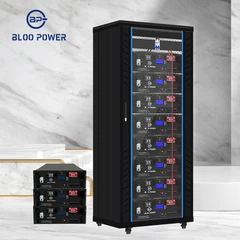
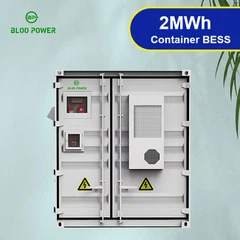
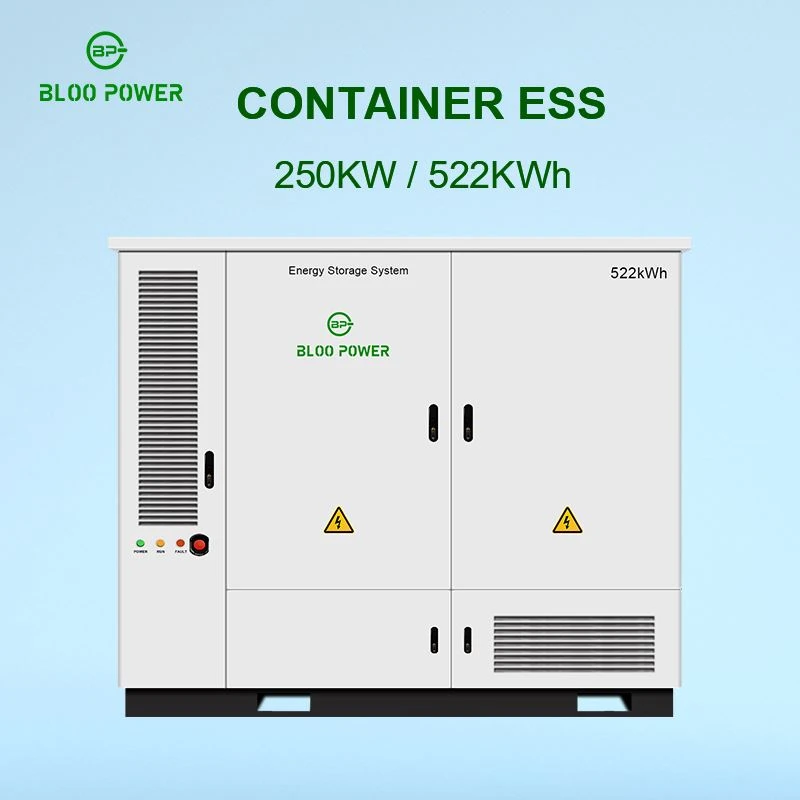
The report shows that grid connection is entering a new phase, with solutions like the lithium-ion battery charging cabinet becoming integral to scalable, safe infrastructure. Although so-called "smart" or flexible connection solutions still represent a minority, their adoption is accelerating. In 2024, 15 renewable energy parks were connected to the grid through flexible connection solutions, compared to only 5 in 2023. The regulatory commission even suggested that the current 30% power limit could be relaxed or completely removed to integrate more renewable energy capacity without waiting for grid upgrades. Such solutions, including early low-voltage photovoltaic connections, allow developers to shorten project cycles by up to 2 to 3 years by accepting temporary or permanent grid connection limitations.
In 2024, low-voltage photovoltaic solutions accounted for approximately one-twentieth of projects above 36 kVA for the French grid company, corresponding to approximately 200 megawatts of installed capacity. The report further emphasizes the growing role of batteries as a tool for grid planning and optimization, where accurate monitoring of the lithium battery state of charge ensures efficient dispatch and longevity. Developers are also increasingly choosing optimized connection solutions that include connection or power withdrawal limitations, rather than full-capacity connections. This has led to the rapid booking of announced available capacity and the emergence of waiting lists.
Currently, approximately 25% of the French transmission company's energy storage connection queue (approximately 2.8 gigawatts) is under limited connection schemes. As of September 1, 2025, the company had approved 12.6 gigawatts of battery connection applications on the public transmission network, while only 0.3 gigawatts are currently operational. For project developers, factors such as lithium battery charger price influence the overall economics of these deployments. Companies like BLOOPOWER are contributing to this evolving landscape with innovative storage and power management solutions.

The regulatory commission noted that standardized energy storage templates (i.e., connection scheme formats with predefined technical parameters) have proven effective, particularly time-of-use templates that release additional capacity. However, the regulator called for the development of new templates to include more energy storage projects in the optimized queue.
Send Inquiry