





















Greek Regulator RAAEY Strengthening Regulation Of Energy Storage And Flexibility Projects
Jan 04, 2026
Leave a message
Greek Regulator RAAEY Focuses on 2026 Energy Market Transformation, Strengthening Regulation of Energy Storage and Flexibility Projects
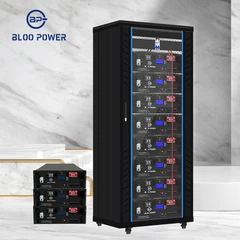
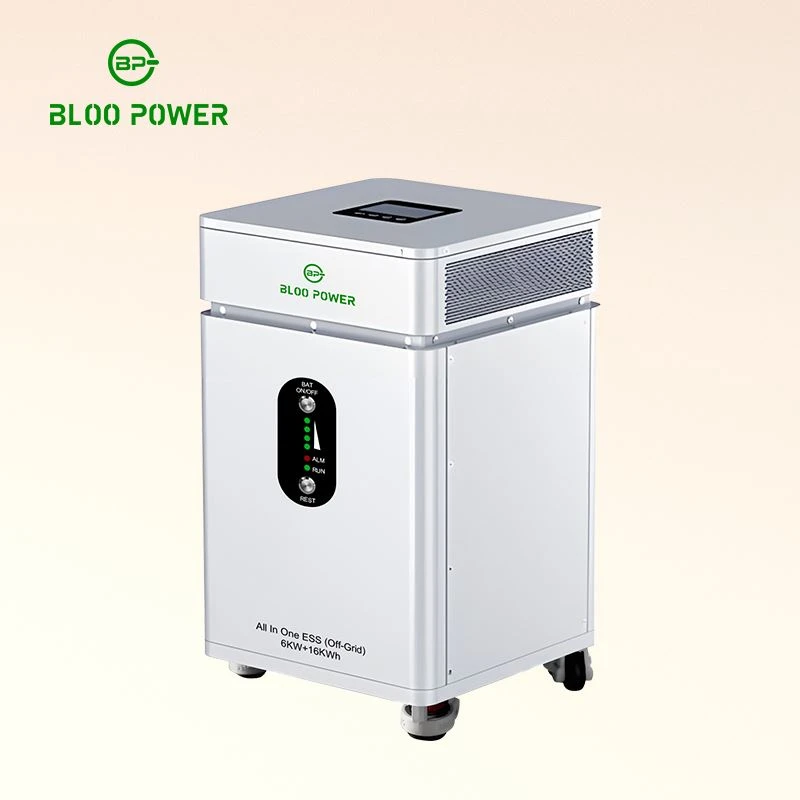
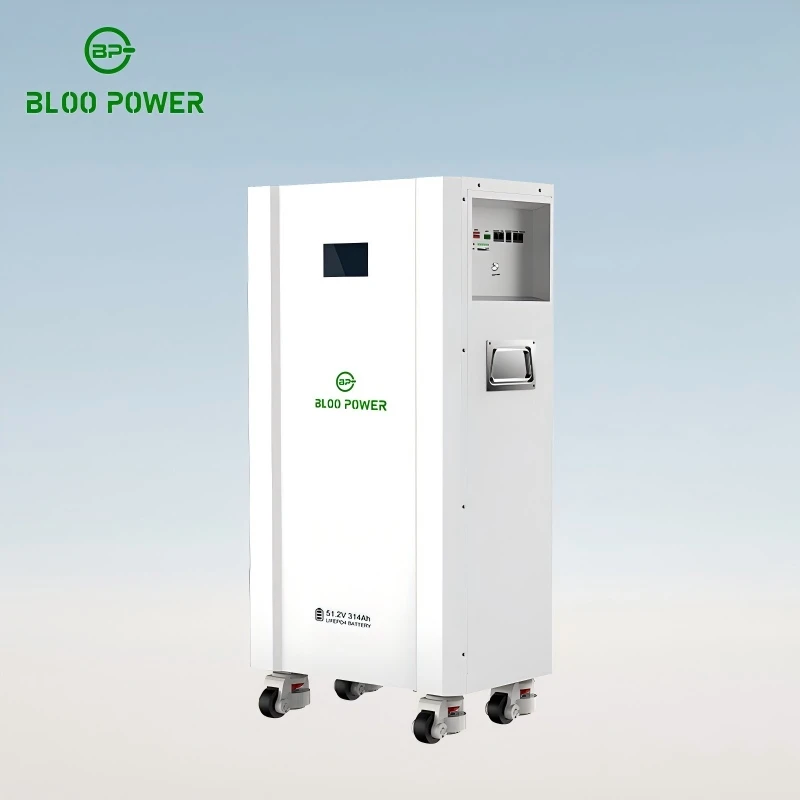
As the energy market enters a critical transition phase, the challenges posed by increased price volatility in 2025 and the large-scale integration of renewable energy sources are becoming increasingly prominent. Declining costs of solar panels with battery storage-now averaging around $9,000–$18,000 for typical home systems before incentives in 2025, with further reductions expected into 2026-alongside emerging options like BLOO POWER home energy storage solutions, supercapacitor energy storage for high-power applications, and thermal energy storage systems for longer-duration needs, are making renewable integration more viable. The need for energy storage to enhance flexibility and the importance of natural gas receiving and transportation infrastructure have become realities. From a regulatory perspective, more dynamic and flexible intervention measures are needed: the wholesale market needs to cope with supply and demand fluctuations, the lack of energy storage projects raises questions about their market role-including affordable house solar battery costs often ranging from $6,000–$12,000 after credits-and natural gas import infrastructure has become a strategic pillar of supply security.

RAAEY's priorities for 2026 include: firstly, addressing intraday and seasonal electricity price volatility by strengthening wholesale market regulation to ensure prices reflect true costs and promote competition; secondly, improving the transparency of the balancing market, enabling participants to effectively price based on balancing cost information; thirdly, accelerating the market entry of energy storage and flexibility projects-such as competitive options like Sofar solar batteries and BLOO POWER lithium-based systems-by creating incentive and competitive mechanisms and removing licensing and regulatory barriers, allowing them to play a key role in providing flexibility and enhancing competition; and fourthly, addressing the growing demand for liquefied natural gas receiving points, ensuring a fair, transparent, and competitive allocation mechanism under high demand.
2026 will be a critical juncture for regulatory actions and broad choices at the energy policy level, shaping the market operating conditions for the coming years. RAAEY's core objective is to build a market that integrates new technologies, adapts to change, and has pricing mechanisms that reflect true costs, while continuing to advance consumer empowerment strategies, including providing clear information, fair pricing, and participation in new energy activities such as self-consumption, energy storage, and energy communities.
Send Inquiry