




















Guatemala Releases 2050 Energy Roadmap: 81.5% Renewable Energy Share
Feb 03, 2026
Leave a message
Guatemala Releases 2050 Energy Roadmap: 81.5% Renewable Energy Share, Energy Storage Required for 30% of Solar PV Project Capacity
Guatemala has released its indicative plan for power generation expansion and transmission system expansion for 2026-2050, marking a turning point in the country's energy planning. According to the plan, by 2050, 81.5% of electricity generation will come from renewable sources, primarily driven by solar PV, geothermal, and energy storage. This strategy aims to support continuously growing demand, which has increased nearly fourfold since the beginning of the 21st century and is expected to double again in the next two decades. The integration of utility-scale battery energy storage will be crucial for balancing the grid as variable renewable penetration grows.

Even in the base scenario focusing on cost optimization and minimal expansion, Guatemala expects to reach an installed capacity of 9,147 megawatts by 2050, with renewable energy accounting for over 80%. Of the 8,797 megawatts of projects identified by the Ministry of Energy and Mines, 84%, or 7,420 megawatts, correspond to renewable energy technologies. Hydropower remains the backbone of large-scale generation, with over 2,700 megawatts planned. Solar PV, as the most important variable renewable energy source, is planned at over 2,400 megawatts. Geothermal energy will provide a stable capacity of up to 617 megawatts. Wind power is planned at 415 to 545 megawatts. Bioenergy enhances resilience through 342 megawatts of combined heat and power and 250 megawatts of biogas.
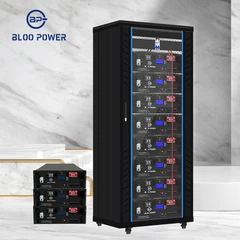
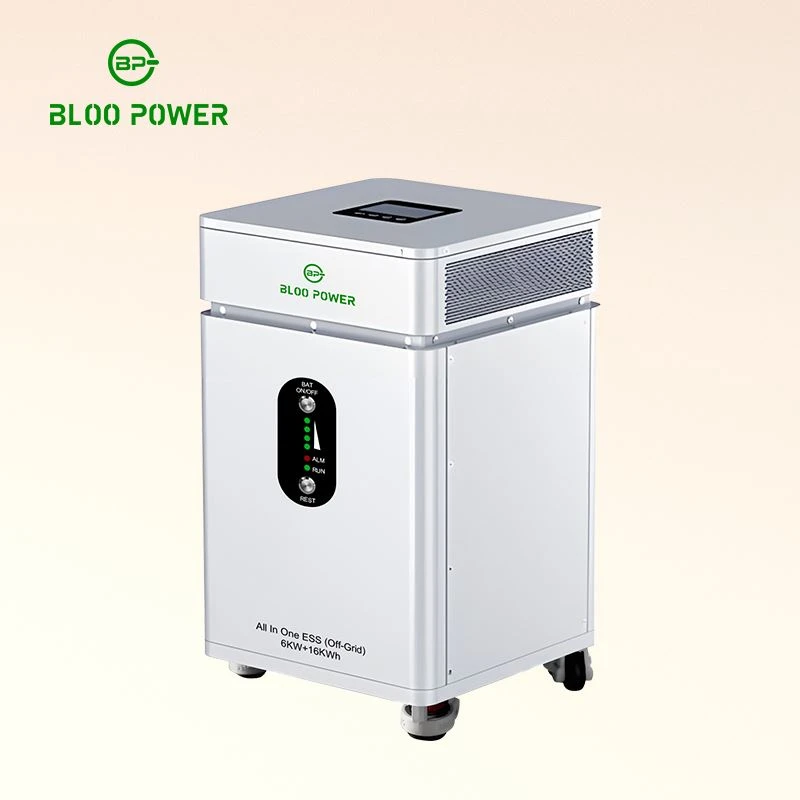
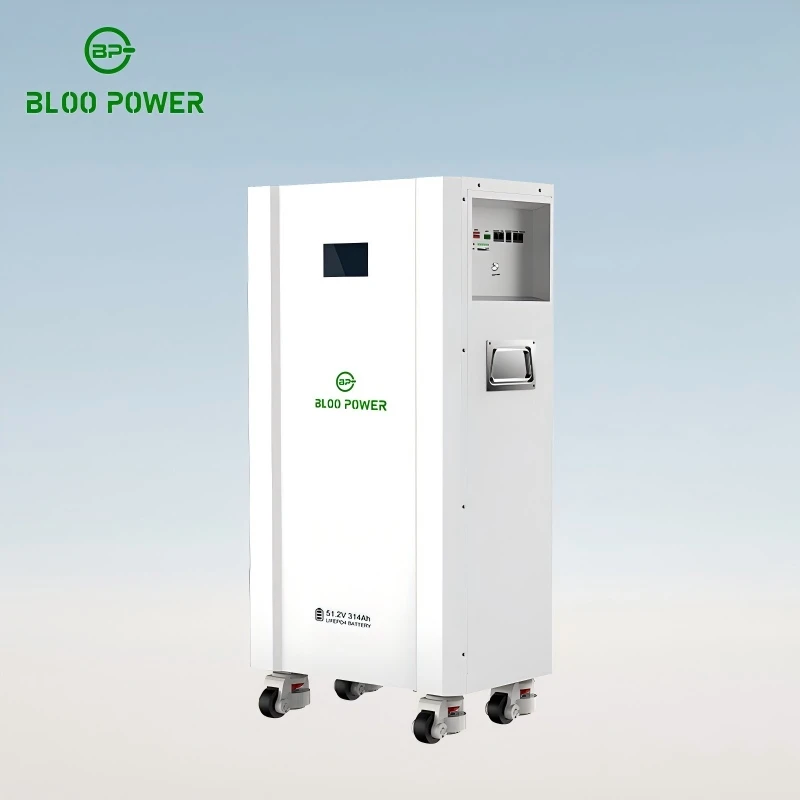
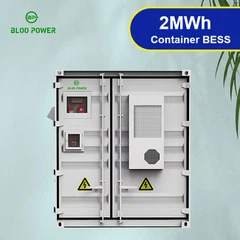
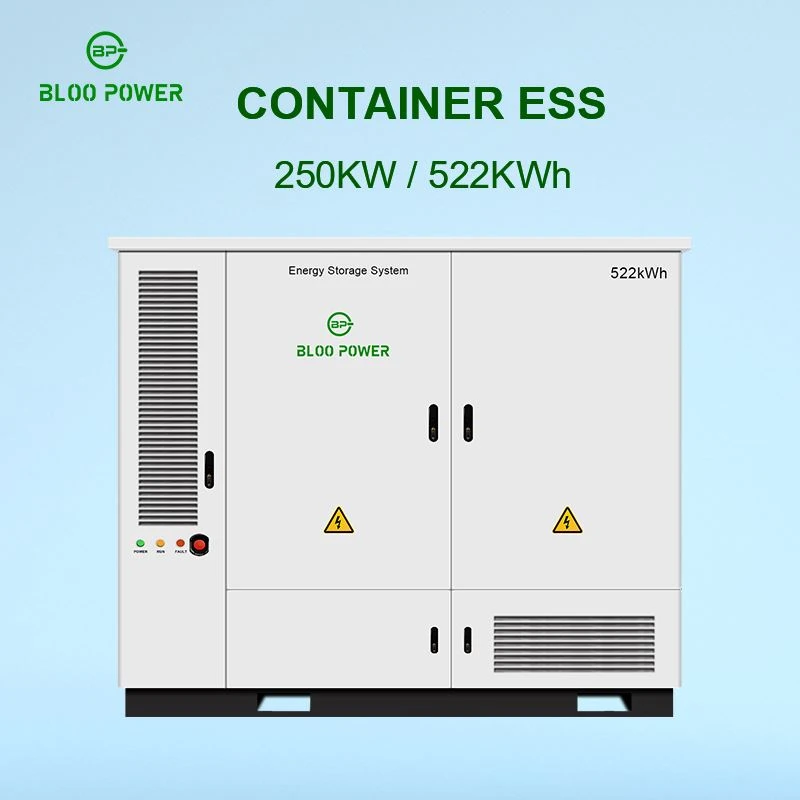
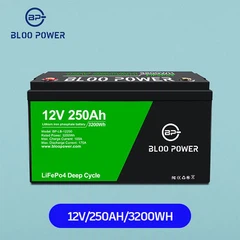
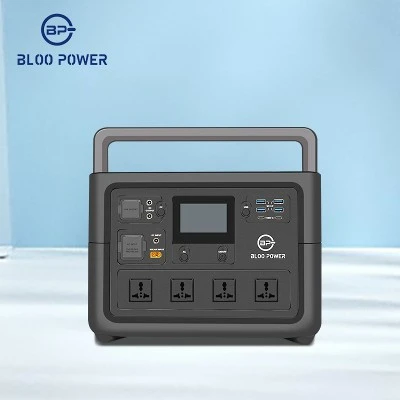
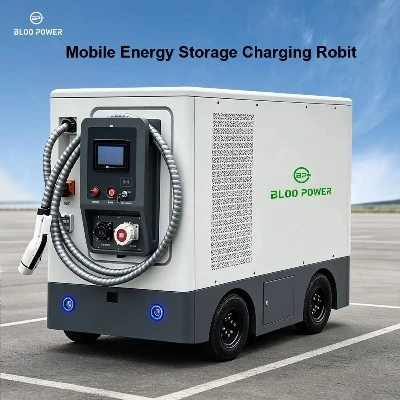
Renewable distributed generation is expected to grow strongly, with installed capacity increasing from 7.5 megawatts in 2009 to over 160 megawatts in 2024, and projected to reach 1,200 megawatts by 2050, including 810 megawatts of solar PV, 250 megawatts of biogas, and 140 megawatts of small hydropower. Currently, the country has over 14,000 self-generators with surplus electricity. The plan confirms the strategic role of battery energy storage systems in a high-renewable energy scenario, requiring all solar PV projects exceeding 50 megawatts to include battery storage equivalent to 30% of their installed capacity. This mandate makes understanding the 1 mw battery energy storage system cost and effective battery energy storage bid optimization essential for project developers to remain competitive and financially viable. It is expected that at least 370 megawatts of energy storage will be coupled with solar PV plants by 2050. While lithium-ion batteries are a primary focus, the plan also leaves room for alternative technologies like thermal energy storage battery systems where applicable. Innovative providers like BLOOPOWER are well-positioned to support this transition with advanced storage solutions.

The power transmission system expansion plan includes the construction of 5,687 kilometers of new transmission lines and 172 new substations. However, the public tender for the PET-3 transmission project was declared invalid because the sole bidder failed to submit complete technical documentation, delaying the construction of over 230 kilometers of critical lines. The Ministry of Energy and Mines has confirmed that it is restructuring the tender and relaunching it under more competitive conditions. The plan was developed with technical and financial support from international partners including the European Union, the German Agency for International Cooperation (GIZ), GetTransform, and the Economic Commission for Latin America and the Caribbean (ECLAC).
Send Inquiry