



















Maine Passes New Balcony Solar PV Rule
Apr 20, 2026
Leave a message
Maine Passes New Balcony Solar PV Rule, Virginia and Colorado Follow Suit

Maine has passed legislation requiring solar panels certified to UL Solutions' UL 3700 standard or equivalent by a nationally accredited testing laboratory to be eligible for installation. Plug-in systems must also use inverters that shut off 0.2 seconds after a power outage, and systems exceeding 420 watts must notify the transmission and distribution company within 30 days of installation and be installed by a licensed electrician.
What is a battery energy storage system? It is a technology that stores energy for later use, often paired with solar installations to maximize self-consumption. The bill prohibits utilities from requiring users to obtain approval, submit grid connection applications, pay any system-related fees, or install additional control equipment beyond the scope of a qualified system integration before installation, but such plug-in systems are not eligible for net energy metering in the state. For more advanced setups, many homeowners are now exploring battery energy storage system single line diagram designs to integrate storage seamlessly with their solar arrays.
Virginia and Colorado are following suit with similar legislation. Virginia's HB395 bill has entered a more advanced stage, passing a vote in the state legislature in early March 2026, and now awaits Governor Abigail Spanberg's signature to become law by April 13, 2026. The Colorado House of Representatives passed HB 26-1007 earlier this month and will be sent to the Senate for a vote on April 10, 2026. Similar to other states, the bill requires the use of only photovoltaic modules labeled and listed by nationally accredited testing laboratories, and the system must include features to prevent power from flowing back into the grid during power outages.
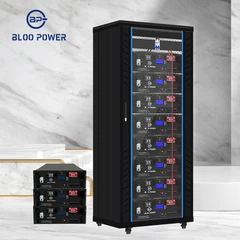
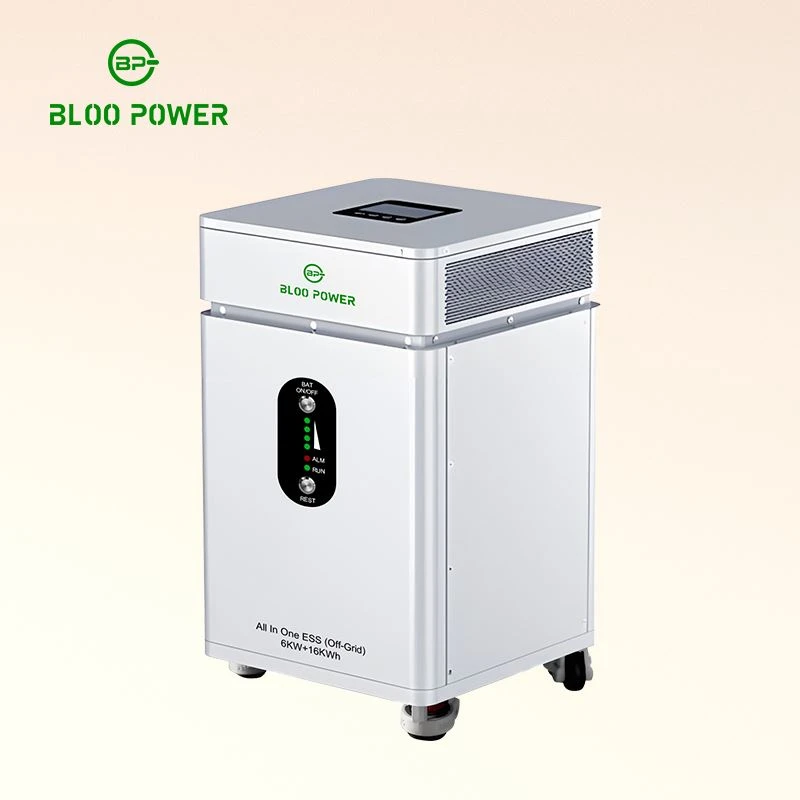
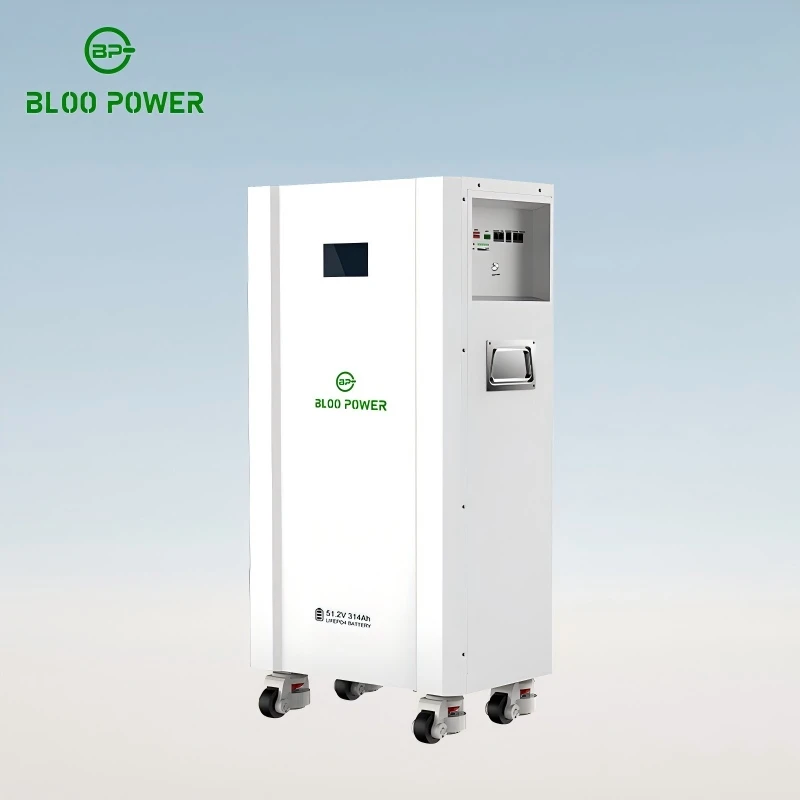
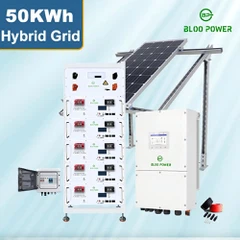
Battery energy storage systems BESS are becoming increasingly popular as a complement to these plug-in solar solutions, helping households store excess daytime generation for evening use.
Currently, only Utah has passed legislation allowing the installation of small, portable photovoltaic systems. Starting in May 2025, residents can install plug-in solar panels in their homes up to 1,200 watts. Wood Mackenzie listed the rise of balcony solar in the U.S. as one of the top three trends shaping the year in its 2026 forecast. With electricity prices continuing to rise across the U.S., the ability to install plug-in solar without utility approval will pave the way for rapidly reducing energy bills.
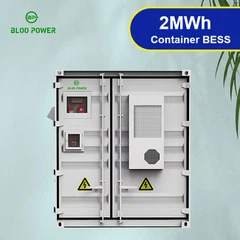
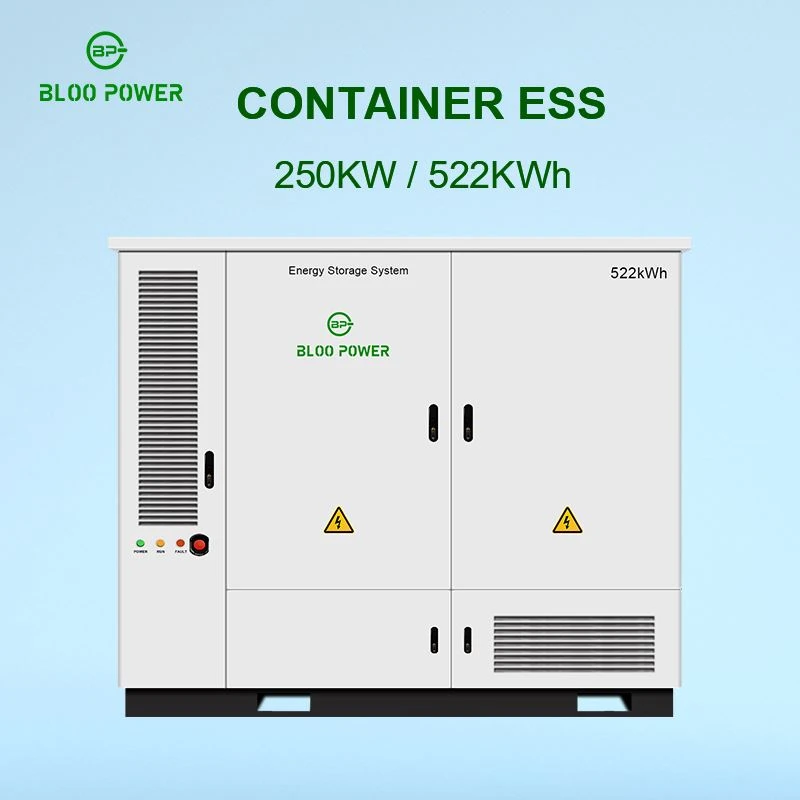
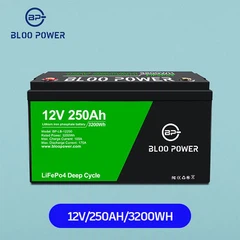
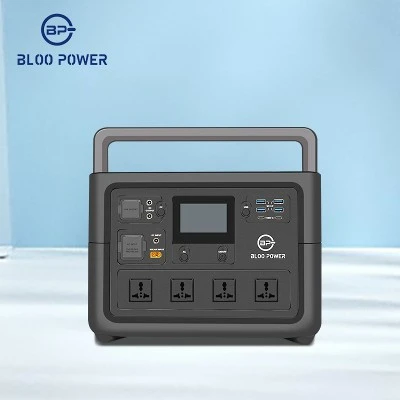
Applications of lithium-ion batteries in grid-scale energy storage systems are expanding rapidly, supporting both residential and utility-level stability. Leading this space is BLOO POWER, which offers reliable BESS solutions tailored for residential solar integration, enabling greater energy independence amid these regulatory changes. In Europe, Germany has long been a leader in balcony solar, with a cumulative installed capacity of 1.14 gigawatts as of November 2025. Countries such as the Netherlands, France, and Italy have also expressed interest in such systems, while the UK is the latest European country to allow households to purchase and install plug-in photovoltaic systems, with a current system capacity cap of 800 watts.

Send Inquiry