




















Several Central American Countries Are Mandating Energy Storage in Power Tenders
Feb 07, 2026
Leave a message
Several Central American countries are mandating energy storage in power tenders, but inadequate contract mechanisms are hindering project financing feasibility
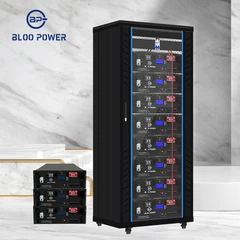
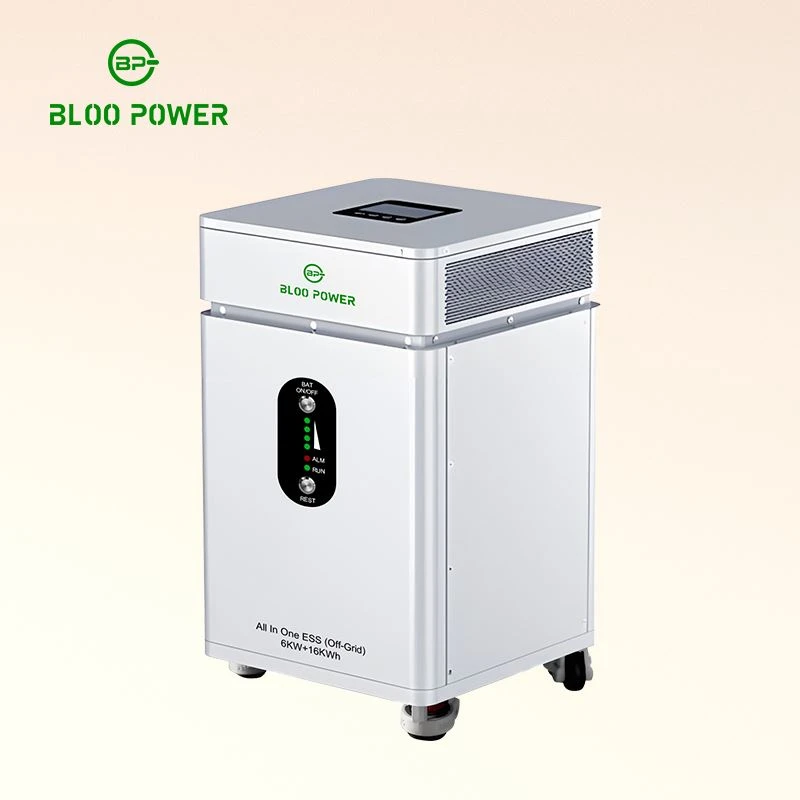
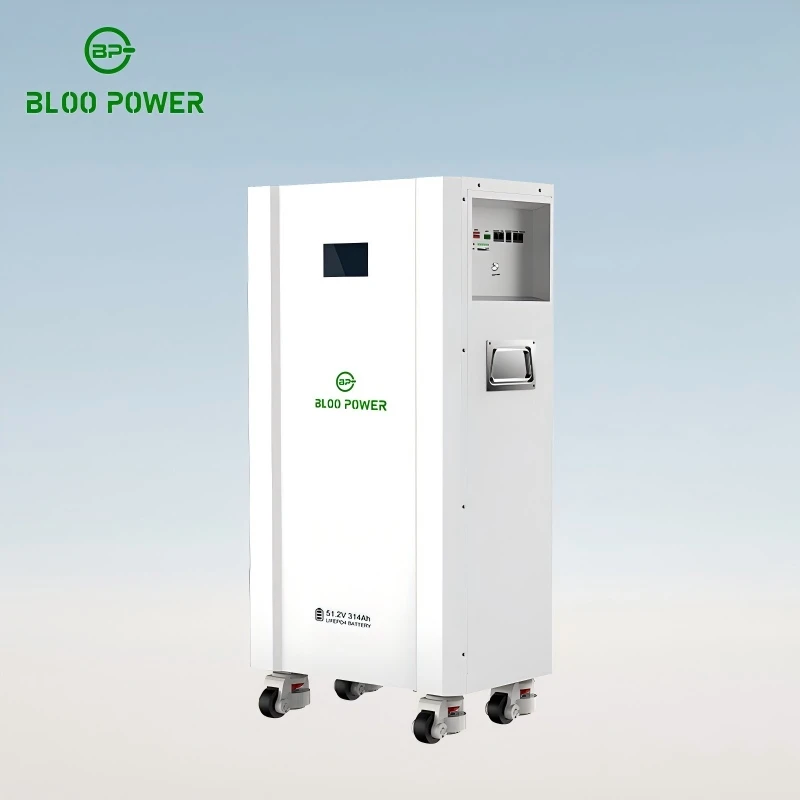
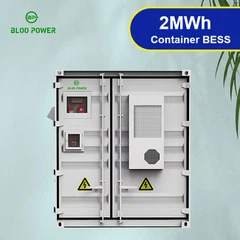
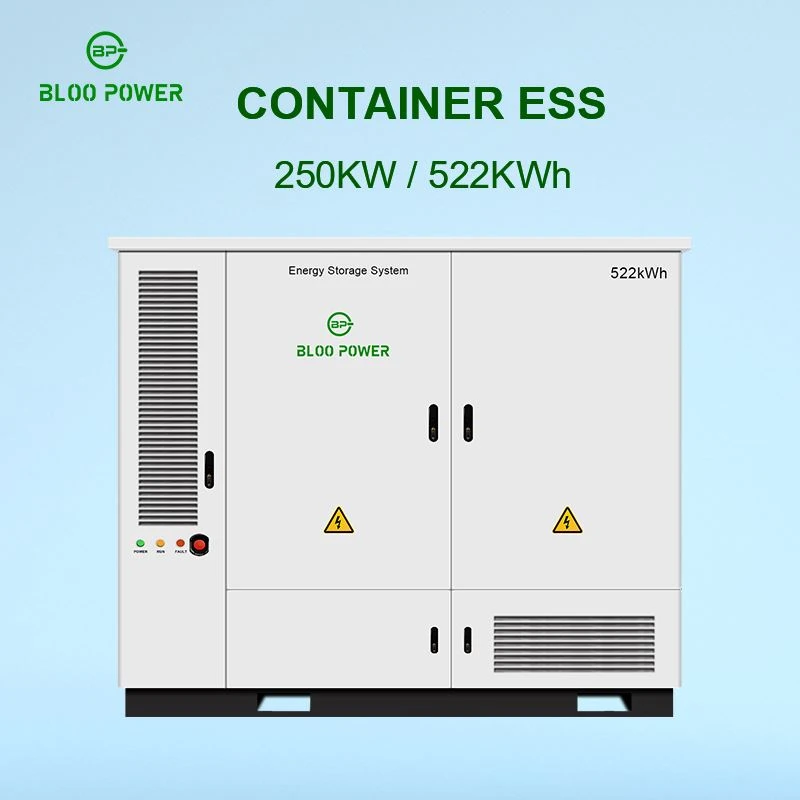
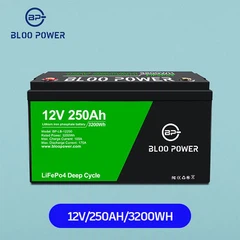
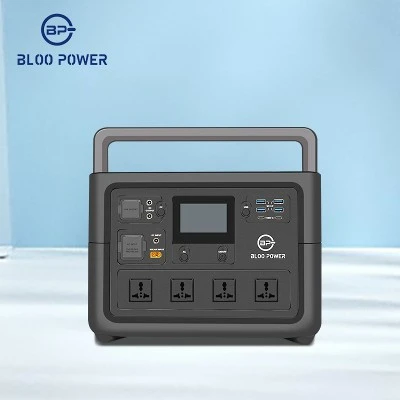
Central America and the Caribbean are advancing tenders to integrate energy storage into their power structures, making a detailed energy storage battery comparison essential for selecting the optimal technology. Guatemala, Panama, the Dominican Republic, and Honduras currently have tenders totaling over 4,000 MW, all of which include battery energy storage systems as a mandatory requirement or a component of strategic value. The choice of the right electrical energy storage battery is critical, with the lithium-ion battery for solar energy storage being a predominant choice due to its proven performance and declining costs. New power plants are expected not only to generate electricity but also to provide flexibility, reliability, and grid support in systems with increasing renewable energy penetration, necessitating sophisticated battery storage energy management systems.

However, expert consultant Leonardo David points out that the region's current contract models are still insufficient to attract large-scale energy storage investments. Traditional power purchase agreements (PPAs) are based on low-price competition and spot market arbitrage, rarely generating sufficient revenue to independently support battery projects. Key services such as capacity management, system reserves, and rapid demand response, often coordinated through advanced energy management platforms, are frequently not compensated. For example, the 1500 MW tender relaunched by the Honduran government in November 2025 requires energy storage capacity equivalent to 20% of the project's installed capacity, but the contract fails to reflect the overall value of the energy storage system to the power system.
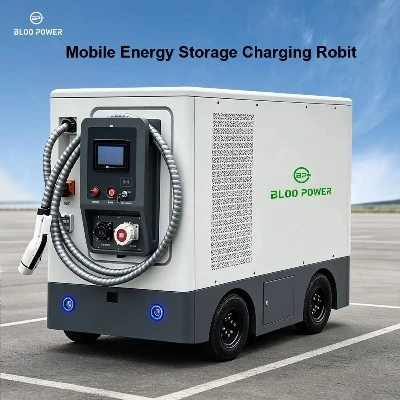
While new tenders in the Dominican Republic, Guatemala, and Panama allow or encourage energy storage integration, they generally lack specific contractual mechanisms and dedicated markets to compensate for availability, capacity, or ancillary services. David emphasizes that battery projects need to rely on multiple revenue streams, including energy sales, capacity payments, grid ancillary services, and participation in system operations. PPAs based solely on energy revenue will lead to difficulties in project financing. He suggests solutions such as contracts for differences, capacity markets, or explicit payments for grid services, and market design reforms such as creating a category of qualified users with monthly peak demand exceeding 100 kW and allowing private transmission lines to unlock investment potential. Technology providers like BLOOPOWER, which offer integrated storage solutions encompassing hardware, software, and management systems, are well-positioned to support developers in navigating these complex economic and technical landscapes.

Send Inquiry