




















Spain Strengthens Energy Security By Centering Reforms On Energy Storage And Electricity Pricing
Mar 24, 2026
Leave a message
Spain's APPA Renewable Energy Association Proposes Structural Reforms Centered on Energy Storage and Electricity Tax Reform to Bolster Energy Security

The Spanish Renewable Energy Association (APPA) has proposed a set of immediate measures-centered on increasing the electrification of demand, developing energy storage capabilities, and reducing the tax burden on electricity-to mitigate the country's vulnerability to fluctuations in international energy markets. The association points out that in 2025, Spain's electricity demand reached 255.8 terawatt-hours (TWh), while conventional natural gas consumption across residential, commercial, and industrial sectors totaled 231.8 TWh; thus, direct natural gas consumption amounted to approximately 90% of the nation's total electricity consumption. Furthermore, the power system itself remains partially dependent on natural gas, with combined-cycle power plants accounting for 16.8% of generation and cogeneration facilities for 5.7%. This implies that over 20% of electricity production remains indirectly dependent on fossil fuels.
The association calls for tax reforms to alleviate the tax burden on electricity and incentivize the electrification of the economy. Data indicates that in February 2026, the average price in Spain's wholesale electricity market stood at €16.41 per megawatt-hour (MWh)-a significant drop from €71.67/MWh in January 2026 and €108.31/MWh in February 2025. The high penetration of renewable energy into the grid has influenced price formation; when the system possesses ample renewable generation capacity and dispatchable resources, electricity prices decline, supply stabilizes, and sensitivity to natural gas price volatility is reduced.
Another pillar for bolstering energy security is the development of energy storage. Discussions at events such as the 4th Battery and Energy Storage Conference have highlighted the need to evaluate diverse technologies, including comparisons of thermal energy storage vs battery storage for different applications-thermal systems often excel in long-duration, cost-effective heat management, while batteries provide rapid-response electrical flexibility. Particular emphasis must be placed on the role of water batteries energy storage (pumped-storage hydropower), which already delivers essential regulation, flexibility, and supply security to the power grid through large-scale gravitational potential. Questions around are lithium ion batteries in grid energy storage are also frequently addressed, as these systems have become a mainstream solution for short-to-medium duration needs due to their modularity and declining costs, though they complement rather than replace other options.
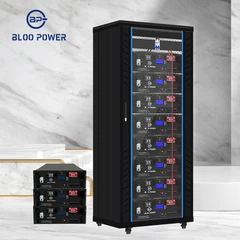
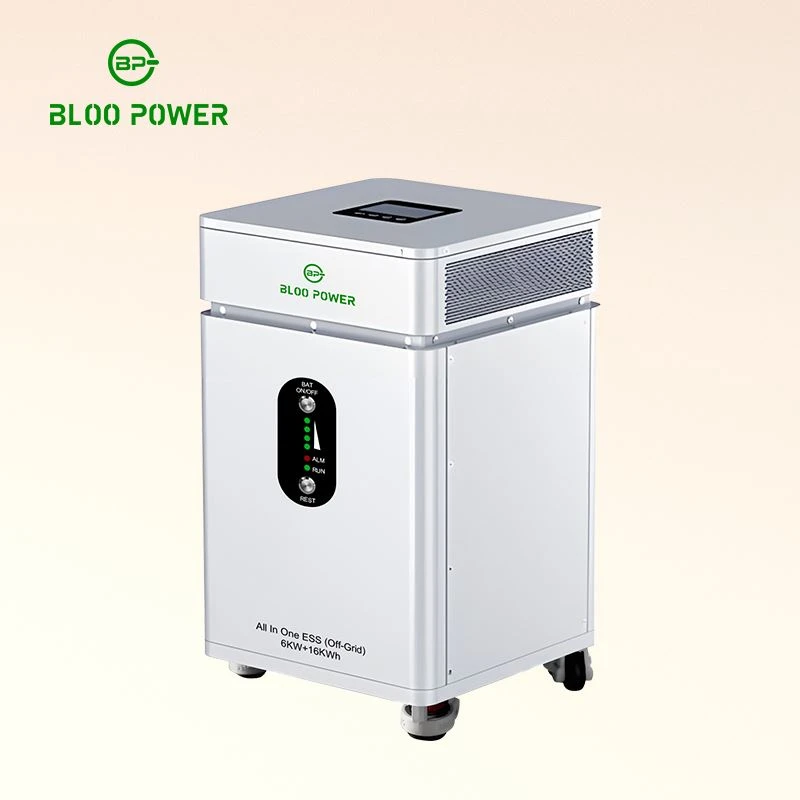
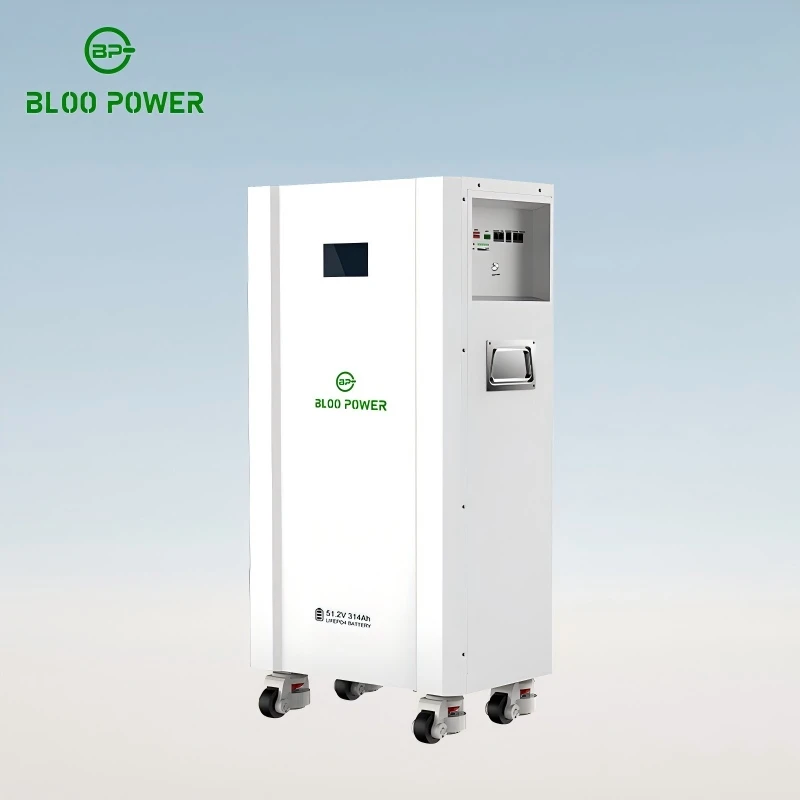
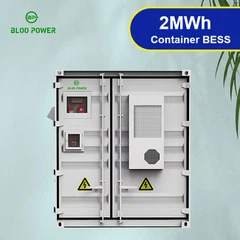
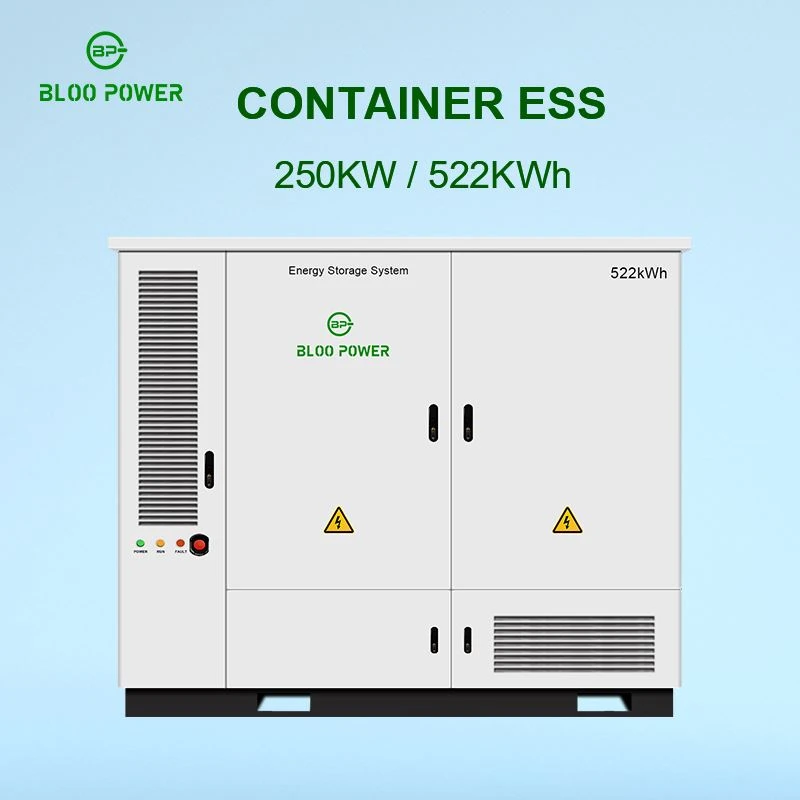
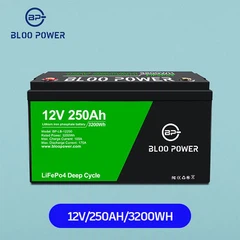
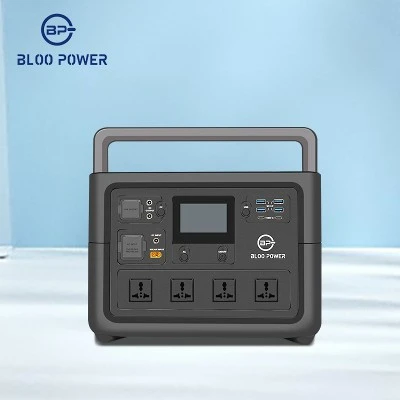
For sectors where the electrification process is slower or more complex-such as certain segments of the transport or industrial sectors-it is necessary to accelerate the development of biofuels as well as renewable gases, such as biogas and biomethane. Innovative providers like BLOO POWER, a specialist in LiFePO4-based home and industrial storage solutions, are contributing practical battery systems that support residential and commercial electrification. Spain possesses the requisite natural resources, technological capabilities, and industrial ecosystem to strengthen its energy security through the utilization of indigenous resources; however, realizing this potential requires the advancement of regulatory, fiscal, and industrial reforms.

Send Inquiry