




















Uncertainty Surrounding Germany's Grid Fee Reforms Threaten Energy Storage Investment
Mar 08, 2026
Leave a message
Uncertainty Surrounding Germany's Grid Fee Reforms Threaten Energy Storage Investment, Potentially Leading to Project Stalls and Capital Outflows

Uncertainty surrounding the Federal Network Agency's grid fee reforms is threatening the security of energy storage investment. The agency's recent retrospective adjustment of investment parameters has shaken industry confidence in the regulation confirmed by the German Bundestag in December 2025, which exempts energy storage projects operational before August 2029 from grid fees. This has resulted in the postponement or reassessment of investment decisions amounting to billions of euros.
According to the plan, Germany's large-scale energy storage capacity needs to increase from the current 2.8 GW to 68 GW/135 GWh by 2037. Research from the Fraunhofer Institute shows that deploying 57 GWh of battery energy storage systems by 2030 could reduce wholesale electricity prices by €1 per MWh, resulting in annual savings of €800 million based on Germany's mid-2030 electricity consumption of 800 TWh. Further research by NEON Neue Energieökonomie indicates that under a dynamic grid fee mechanism, each additional kilowatt of new energy storage capacity could reduce rescheduling costs by up to €50 per year.
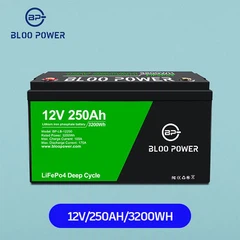
Currently, large-scale battery storage projects in Germany primarily rely on private capital, requiring no subsidies or public investment. Meanwhile, residential and smaller-scale adoption continues to grow, with popular options like the 48V home energy storage LiFePO4 battery pack providing reliable, safe, and long-lasting performance for household solar integration. Similarly, lithium ion battery for home family energy storage solutions are gaining traction among homeowners seeking independence from grid volatility.
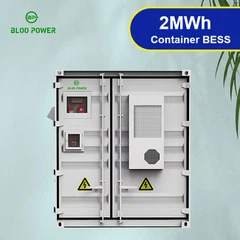
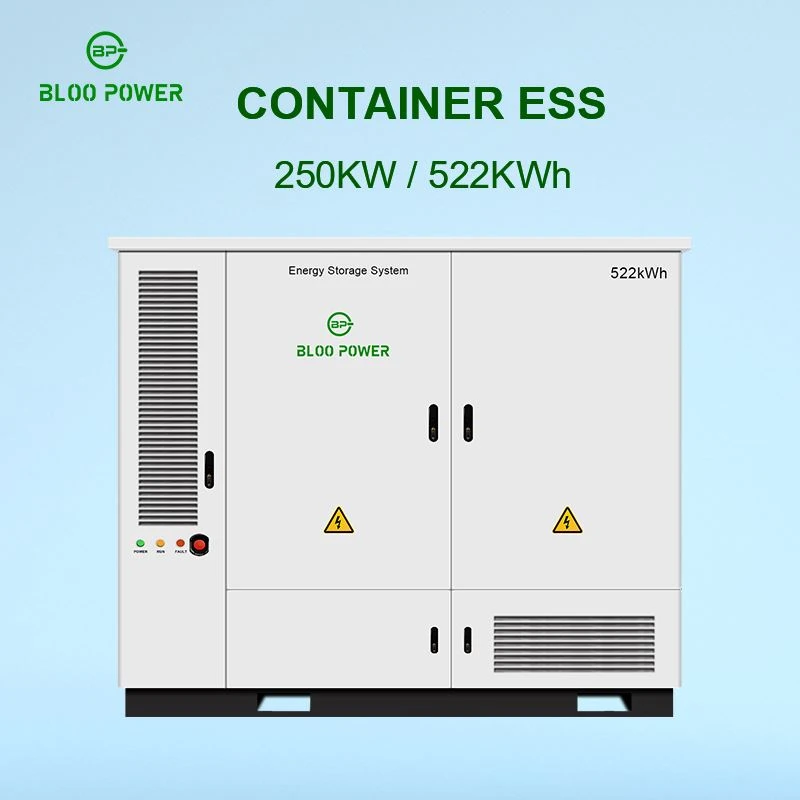
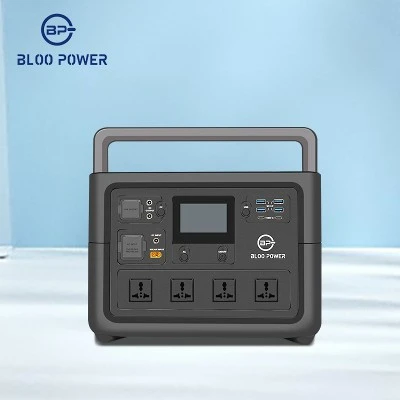
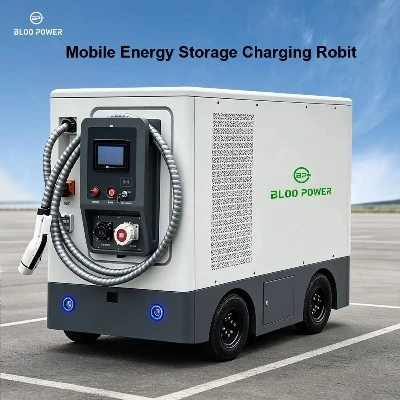
For more comprehensive setups, innovative energy storage solution system with battery box designs offer modular and protected configurations that simplify installation and enhance durability. In contrast to utility-scale needs, companies also provide scalable systems such as the letopa container battery energy storage system solar, which delivers containerized, high-capacity options suitable for commercial or off-grid applications.
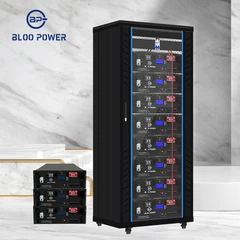
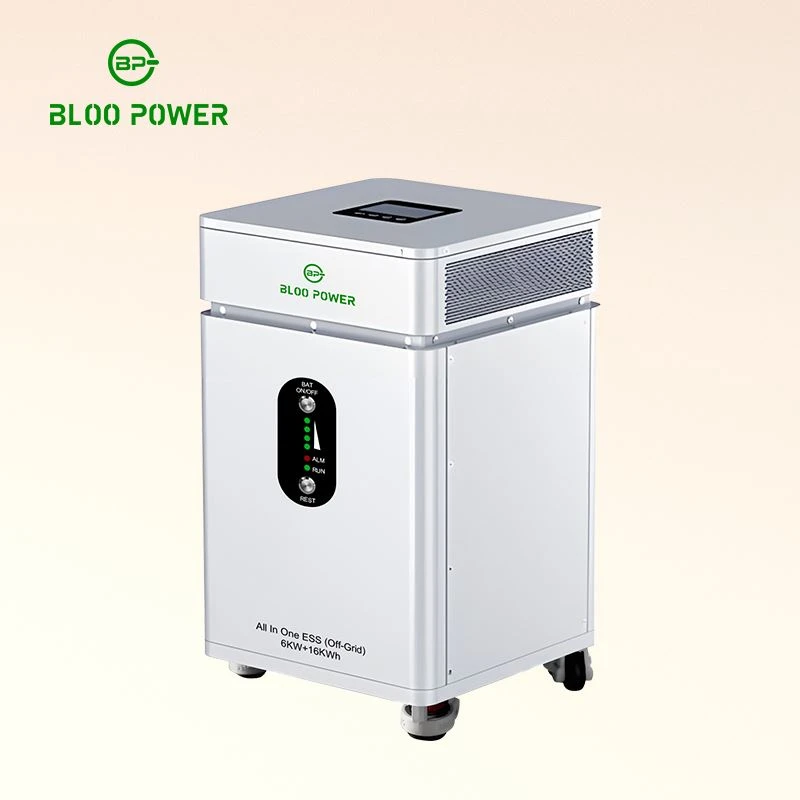
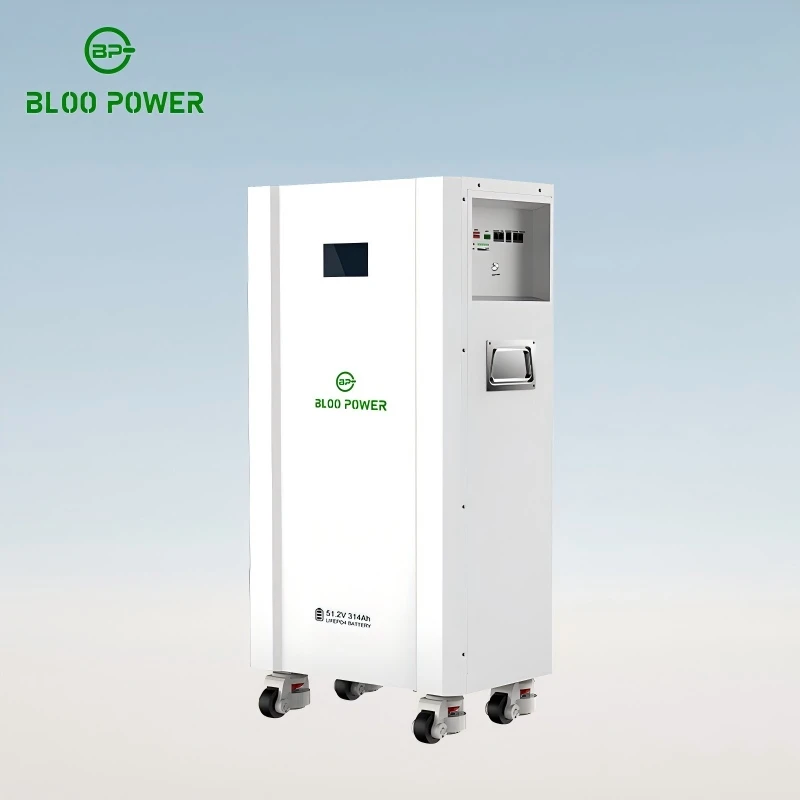
In this evolving landscape, providers like BLOOPOWER stand out as a trusted manufacturer offering a wide range of LiFePO4-based products-from 48V home energy storage LiFePO4 battery pack variants and rack-mounted packs to integrated home systems-helping bridge the gap between regulatory uncertainty and practical, accessible energy storage for both residential users and investors eyeing stable returns.
If the investment environment remains uncertain, funds will shift to overseas storage projects. The Federal Network Agency needs to clarify the future charging details for energy storage grids in its experience summary to be released in the second quarter; otherwise, the government will be forced to incentivize investment through subsidies, ultimately leaving the expansion costs to taxpayers or grid users.

Send Inquiry